
Root Canal Treatment in North York
When the nerve inside a tooth becomes infected or inflamed, a root canal can clear the problem and help you keep the tooth.
Root canal treatment in North York at Emerald Forest Dental removes infected or inflamed pulp from inside a tooth, cleans and shapes the canals, and seals them. The tooth is frozen first, so it feels much like having a filling. Afterward, most back teeth need a crown for protection. The goal is to save your natural tooth.
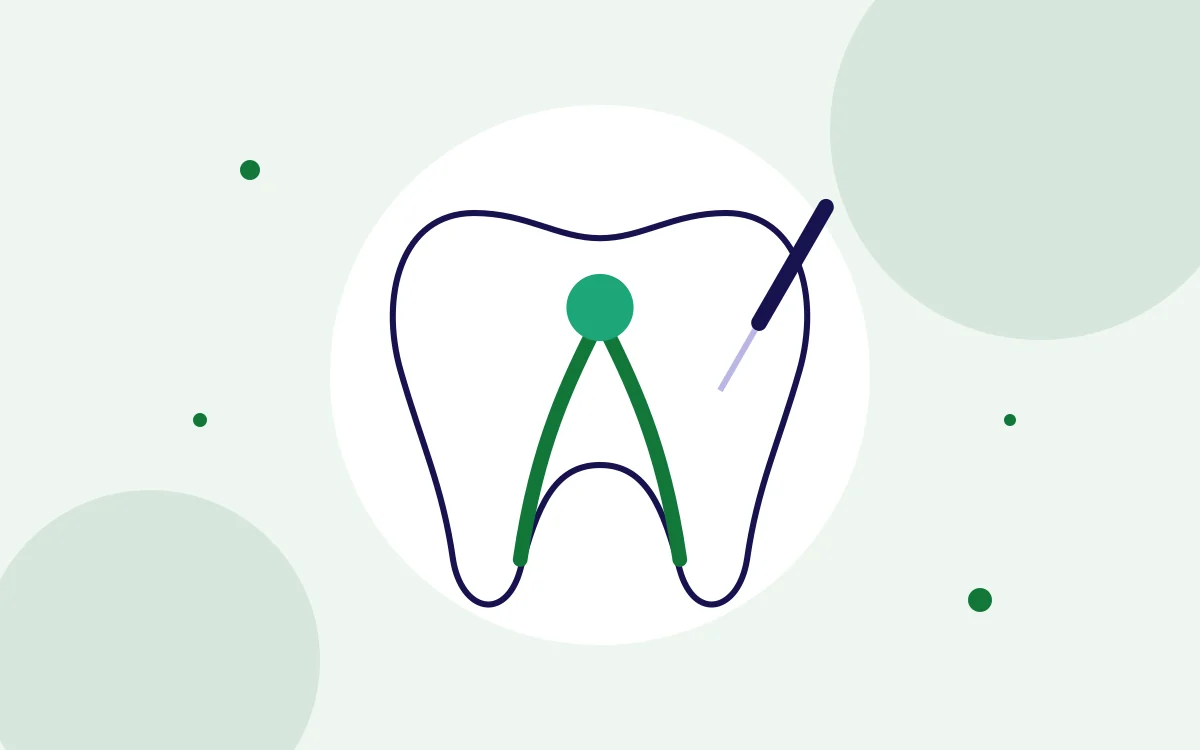
- Typical time
- Usually one or two visits of 60–90 minutes
- Who it's for
- People with a tooth whose nerve is infected, inflamed or has died
- Coverage
- Often partly covered by insurance; check your plan
- Recovery
- Tenderness for a few days is common; most people return to normal routines the next day
About root canal treatment
Inside every tooth is a soft core called the pulp, which holds nerves and blood vessels. Deep decay, a crack, a large filling or a hard knock can let bacteria reach the pulp. When that happens, the pulp can become inflamed or infected. Because it is trapped inside a hard shell, the swelling has nowhere to go, which is why an infected tooth can throb.
During a root canal, your dentist freezes the tooth, places a thin rubber sheet to keep it clean and dry, and makes a small opening in the crown of the tooth. Tiny files clean out the infected pulp and shape the narrow canals inside each root. The canals are rinsed with disinfecting solution, then filled with a rubber-like material and sealed. A filling closes the opening.
Without treatment, an infected pulp does not heal on its own. The infection can spread to the bone around the root and form an abscess. A root canal treats the source of infection while keeping the tooth, which helps you chew normally and avoids the gap an extraction would leave. Some teeth with curved or hard-to-find canals may be referred to an endodontist, a registered specialist in root canal treatment.
Signs you may need a root canal
- Lingering pain after hot or cold drinks, long after the drink is gone
- Throbbing toothache that wakes you up at night
- Pain when you bite or press on a tooth
- A pimple-like bump on the gum near a tooth
- A tooth that has turned darker after an injury
Benefits
- Removes the source of infection inside the tooth
- Helps you keep your natural tooth
- Relieves pain caused by an inflamed or infected nerve
- Avoids the shifting and bite changes a missing tooth can cause
What to expect
- Diagnose the toothYour dentist uses an exam, X-rays and simple tests with cold or tapping to see whether the pulp is involved.
- Freeze and isolateLocal anaesthetic numbs the tooth, and a rubber dam keeps it clean and dry.
- Clean the canalsThe infected pulp is removed and each canal is cleaned, shaped and disinfected.
- Fill and sealThe canals are filled and sealed, and a filling closes the opening.
- Protect the toothMany teeth, especially back teeth, need a crown afterward to protect them from breaking.
Aftercare
- Expect some tenderness when biting for a few days; over-the-counter pain relief can help if it is safe for you.
- Avoid chewing hard foods on the treated tooth until the final crown or filling is placed.
- Call us if swelling increases, pain gets worse after a few days, or the temporary filling comes out.
Other options
The main alternative is removing the tooth. After an extraction, the gap may be left as is or filled with an implant, bridge or partial denture. Your dentist will explain what each choice means for your bite, your budget and the teeth around it.
Cost and coverage
The fee for a root canal depends mostly on which tooth is treated, since molars have more canals than front teeth. The crown that usually follows is a separate fee. Ontario dentists often use the ODA suggested fee guide as a reference, and many insurance plans cover a portion of root canal treatment. If you have CDCP coverage, ask us how it could apply. LendCare payment plans can help if treatment is unexpected.
Our promise: we confirm your coverage and explain the cost before treatment.
Your dental team
Dr. Hamed Jannati, DDS
General Dentist
Dr. Ye Zhang, DDS
General Dentist
Dr. Kasra Badii, DDS
General Dentist
Treatment is provided by our dentists. Dr. Ardeshir Ranjbari is a registered specialist in periodontics; our other dentists are general dentists. Some complex cases may be referred to a specialist.
Root Canal Treatment FAQ
Does a root canal hurt?
The tooth is frozen, so most people say it feels much like getting a filling. The pain people link to root canals usually comes from the infection beforehand. Some tenderness afterward is normal and tends to fade within a few days.
Why do I need a crown after a root canal?
A tooth that has had a root canal, especially a back tooth, can become brittle. A crown covers and protects it from cracking under chewing forces. Your dentist will tell you if your tooth needs one.
Can antibiotics fix the infection instead?
Antibiotics may help control swelling that has spread, but they cannot reach the infection inside the tooth well. The source still needs to be treated with a root canal or an extraction.
How long does a root-canal-treated tooth last?
Many treated teeth last for years, especially when they are protected with a crown and kept clean. Decay, cracks or a leaking filling can cause problems later, so regular checkups matter.
What if the tooth gets infected again?
Sometimes a treated tooth develops a new or lingering infection. Options may include redoing the root canal or a small surgery called an apicoectomy. Your dentist will review the choices with you.
Trusted health information
Related services
Root Canal Treatment near you
We see patients from across North York and nearby areas, including North York, Don Mills, Parkway Forest, Henry Farm, Willowdale, Scarborough, Richmond Hill, Markham.
This page is general information and is not a substitute for an exam. Your dentist will recommend what's right for you. Reviewed by: Dr. Hamed Jannati, DDS. Last updated 2026-10-26.
Book root canal treatment in North York
New patients welcome. We'll confirm your coverage before treatment.