
Gum Disease Treatment in North York
Gum disease often starts quietly, with a little bleeding and no pain. Treating it early can help protect the bone and gums that hold your teeth in place.
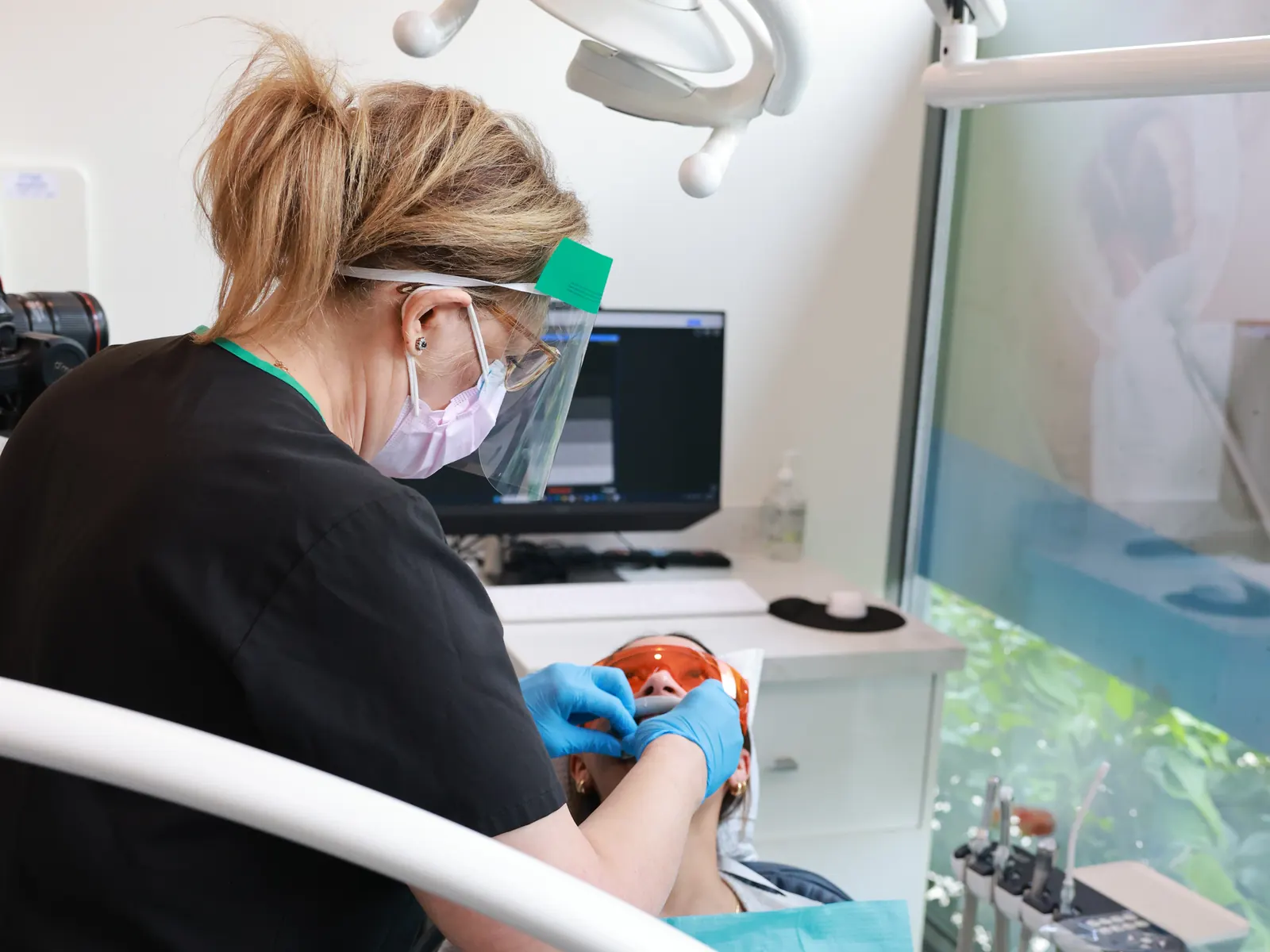
Gum disease treatment in North York at Emerald Forest Dental depends on how far the disease has gone. Early gingivitis often clears with a thorough cleaning and better home care. Periodontitis may need deep cleaning, closer follow-up or care from Dr. Ardeshir Ranjbari, a registered specialist in periodontics who is part of our team.
- Typical time
- Varies; often several visits over a few months
- Who it's for
- Adults with bleeding, swollen or receding gums, or loose teeth
- Coverage
- Often partly covered by insurance; check your plan's periodontal limits
- Recovery
- Usually mild tenderness for a few days after deep cleaning
About gum disease treatment
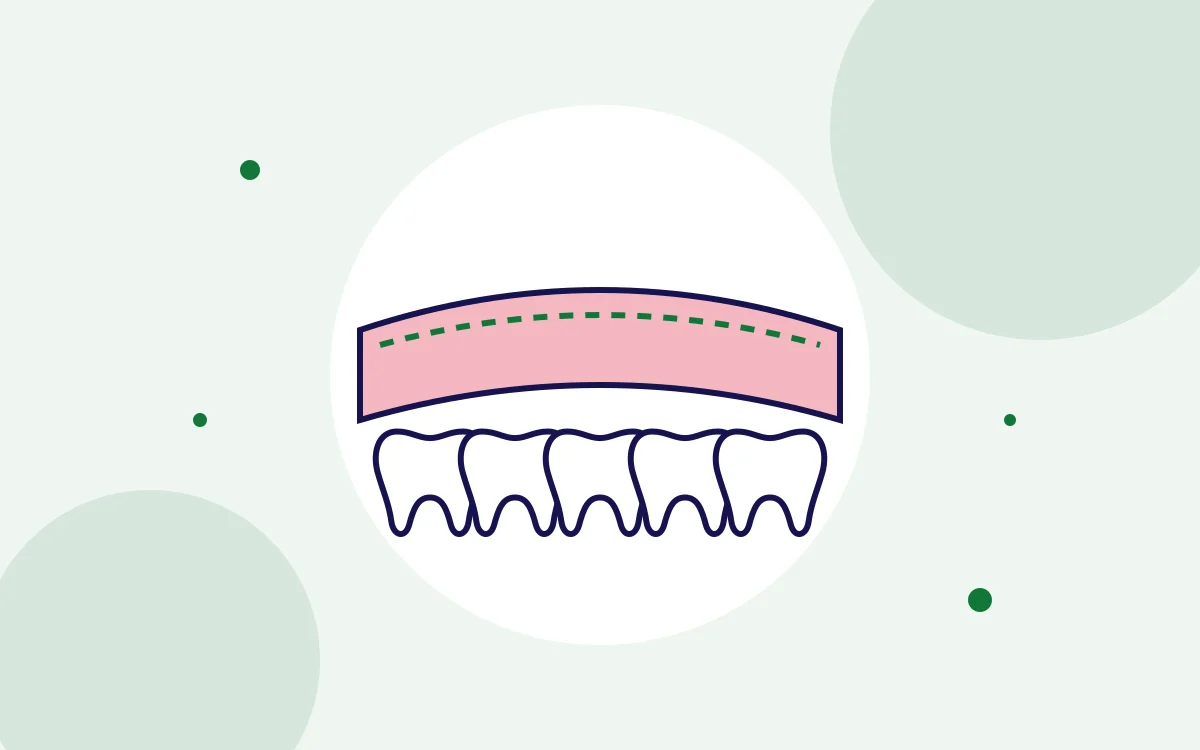
Gum disease happens when plaque bacteria along the gum line cause ongoing inflammation. In its first stage, gingivitis, the gums look red, puffy and bleed easily, but the bone is not yet affected. With good care, gingivitis can be reversed. If it continues, it can turn into periodontitis, where the gums pull away from the teeth, pockets form, and the bone that supports the teeth slowly breaks down.
Treatment starts with an assessment. Your dentist or hygienist measures the depth of the pockets around each tooth, looks for bleeding and recession, checks for loose teeth and may take X-rays to see the bone. This tells us the stage of the disease and which areas need the most attention. Smoking, diabetes, some medicines, stress and family history can all play a role, so we ask about your health too.
For gingivitis, a professional cleaning and daily flossing are often enough. For periodontitis, the first step is usually scaling and root planing, a deeper cleaning below the gum line. We then recheck your gums after several weeks. Some people need regular periodontal maintenance visits after that. More advanced cases may be seen by Dr. Ardeshir Ranjbari, our registered specialist in periodontics, who can discuss further treatment options with you.
Signs of gum disease
- Gums that bleed when you brush or floss
- Red, swollen or tender gums
- Gums pulling back, making teeth look longer
- Bad breath or a bad taste that does not go away
- Teeth that feel loose or have started to shift
Benefits
- Can reverse gingivitis before it damages bone
- Helps slow or stop the progress of periodontitis
- Lowers the chance of losing teeth to gum disease
- Access to a registered specialist in periodontics within the clinic
What to expect
- Gum assessmentWe measure pocket depths, check bleeding and recession, and take X-rays if needed.
- Diagnosis and planYour dentist explains the stage of your gum disease and the treatment that fits it.
- Initial treatmentThis may be a thorough cleaning for gingivitis, or scaling and root planing for periodontitis.
- Re-evaluationAfter several weeks, your gums are measured again to see how they have responded.
- Ongoing careYou get a maintenance schedule, and advanced areas may be reviewed by our periodontist.
Aftercare
- Clean between your teeth every day with floss, small brushes or a water flosser, as your hygienist shows you.
- If you smoke, ask us about support to quit; smoking makes gum disease harder to control.
- Keep every recall visit, since gum disease can return without regular follow-up.
Other options
There is no home remedy that removes tartar below the gum line. If you would rather not have deep cleaning, your dentist can explain the likely course of the disease without treatment and what closer monitoring would involve. In advanced cases where a tooth cannot be saved, replacement options may be discussed.
Cost and coverage
The cost of gum disease treatment depends on how many areas need care and which treatments are used, such as deep cleaning, follow-up visits or specialist care. Fees for both general and specialist services are typically guided by the ODA suggested fee guide. Many insurance plans cover periodontal treatment, sometimes with separate limits for specialist care. Our team can send an estimate to your insurer first. If you are a Canadian Dental Care Plan member, please ask whether it can be used here. LendCare payment plans can help spread out larger costs.
Our promise: we confirm your coverage and explain the cost before treatment.
Your dental team
Dr. Ardeshir Ranjbari
Dental Specialist in Periodontics
Dr. Hamed Jannati, DDS
General Dentist
Dr. Ye Zhang, DDS
General Dentist
Treatment is provided by our dentists. Dr. Ardeshir Ranjbari is a registered specialist in periodontics; our other dentists are general dentists. Some complex cases may be referred to a specialist.
Gum Disease Treatment FAQ
Can gum disease be cured?
Gingivitis can usually be reversed with professional cleaning and good daily care. Periodontitis can be controlled, but the bone that was lost does not usually grow back on its own. Regular follow-up helps keep it stable.
Do I need to see a periodontist?
Not always. Many people with mild to moderate gum disease are treated by their dentist and hygienist. Your dentist may suggest seeing Dr. Ranjbari, our registered specialist in periodontics, if your gum disease is advanced or not responding to initial treatment.
Is gum disease linked to other health problems?
Research has found links between gum disease and conditions such as diabetes and heart disease. Diabetes, in particular, can make gum disease worse and the other way around. Tell us about your health so we can plan your care.
Will treatment be uncomfortable?
Deep cleaning is usually done with local anaesthetic, so you should feel pressure rather than sharp pain. Your gums may feel tender for a few days afterward. We explain each step and can stop whenever you need.
Why are my gums bleeding if they do not hurt?
Gum disease often causes no pain, especially early on. Bleeding is one of the first signs your gums are inflamed. It is a good reason to book a check rather than waiting for pain.
Can gum disease come back?
Yes. The bacteria that cause it are always present, so gum disease can return if plaque builds up again. Daily cleaning and regular maintenance visits are key.
Trusted health information
Related services
Gum Disease Treatment near you
We see patients from across North York and nearby areas, including North York, Don Mills, Parkway Forest, Henry Farm, Willowdale, Scarborough, Richmond Hill, Markham.
This page is general information and is not a substitute for an exam. Your dentist will recommend what's right for you. Reviewed by: Dr. Hamed Jannati, DDS. Last updated 2026-10-26.
Book gum disease treatment in North York
New patients welcome. We'll confirm your coverage before treatment.