Dental Bridges in North York
A bridge fills the gap left by a missing tooth with a fixed replacement that is anchored to the teeth on either side.
Dental bridges in North York at Emerald Forest Dental replace one or a few missing teeth with a false tooth held in place by crowns on the neighbouring teeth. The bridge is cemented, so it does not come out like a denture. Treatment usually takes two visits, and your dentist will compare bridges with implants and partial dentures.
- Typical time
- Usually two to three visits over a few weeks
- Who it's for
- Adults missing one to a few teeth in a row with healthy teeth on each side
- Coverage
- Often partly covered as major restorative care; check your plan
- Recovery
- Mild tenderness for a few days; a short adjustment period while you get used to it
About dental bridges
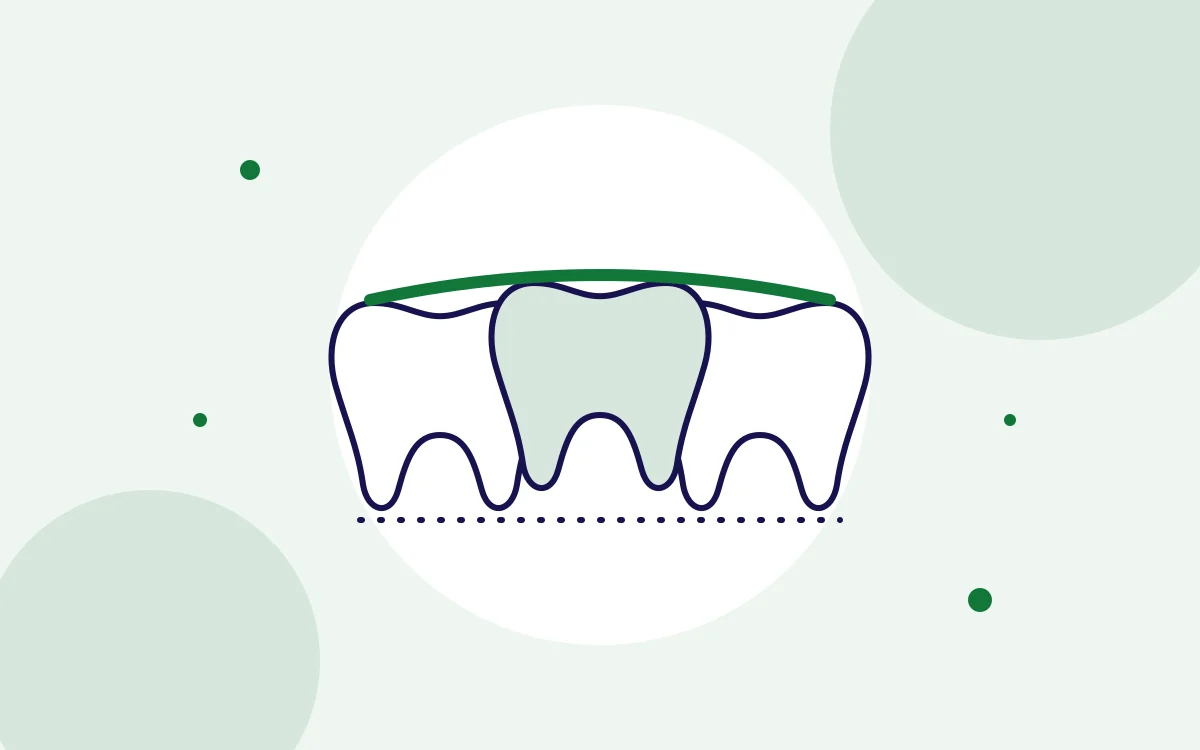
When a tooth is lost, the teeth around it slowly begin to drift. The tooth above or below the gap can grow down or up into the space, and neighbouring teeth can tip sideways. This can change your bite, create spots that trap food and make the gap look larger over time. A bridge fills the space and helps keep the other teeth in position.
A traditional bridge is a single piece made of three or more connected units. The middle unit, called a pontic, replaces the missing tooth. The units on each end are crowns that fit over the anchor teeth, known as abutments. To make room for these crowns, the anchor teeth need to be reshaped. That is a key trade-off: it works well when those teeth already have large fillings, but it means altering healthy teeth if they do not.
Other designs exist for certain situations. A bonded bridge uses small wings glued to the back of nearby teeth and is sometimes used for a front tooth. A bridge can also be supported by dental implants instead of natural teeth. Your dentist will look at the health of the anchor teeth, your gums and your bite to decide what makes sense.
A bridge may help if
- You have a gap from a missing tooth that bothers you
- Food gets packed into the space where a tooth used to be
- Teeth next to the gap are starting to tilt or drift
- The teeth on each side of the gap already need crowns
- You want a fixed option rather than a removable partial denture
Benefits
- Fixed in place, so there is nothing to take out at night
- Helps keep nearby teeth from drifting
- Restores chewing on that side of the mouth
- Usually completed in a few weeks without surgery
What to expect
- Assess the gapYour dentist checks the anchor teeth, gums and bone with an exam and X-rays, and reviews other options with you.
- Prepare anchor teethWith the area frozen, the teeth beside the gap are shaped to hold the crowns.
- Record your biteAn impression or scan is taken so the lab can make a bridge that fits your mouth and bite.
- Temporary bridgeA temporary bridge protects the shaped teeth and fills the space while the final bridge is made.
- Cement the bridgeYour dentist checks fit, colour and bite, then cements the final bridge in place.
Aftercare
- Clean under the false tooth every day with a floss threader, super floss or a small brush your hygienist recommends.
- Start with softer foods for a day or two while you get used to the new bite.
- Keep regular checkups so your dentist can watch the anchor teeth and gums for decay or recession.
Other options
A single-tooth implant replaces the missing tooth without reshaping the neighbouring teeth, though it involves surgery and healing time. A removable partial denture is another option, especially when several teeth are missing in different spots. Your dentist will explain how each choice fits your health, timeline and budget.
Cost and coverage
A bridge is priced by the number of units, the material and the lab fees, so a three-unit bridge costs more than a single crown. The ODA suggested fee guide is often used as a reference. Insurance usually lists bridges as major care, and some plans have rules about replacing teeth that were missing before coverage began, so a pre-treatment estimate is helpful. If you have CDCP, ask our team how it may apply. LendCare payment plans can spread out the cost.
Our promise: we confirm your coverage and explain the cost before treatment.
Your dental team
Dr. Hamed Jannati, DDS
General Dentist
Dr. Ye Zhang, DDS
General Dentist
Dr. Kasra Badii, DDS
General Dentist
Treatment is provided by our dentists. Dr. Ardeshir Ranjbari is a registered specialist in periodontics; our other dentists are general dentists. Some complex cases may be referred to a specialist.
Dental Bridges FAQ
How long do dental bridges last?
With good care, bridges can last for many years. The most common reasons one fails are decay in an anchor tooth or gum disease, so cleaning under the bridge and regular checkups matter a lot.
Is a bridge or an implant better for me?
It depends. A bridge avoids surgery and can be quicker, but it requires reshaping nearby teeth. An implant leaves neighbouring teeth alone but needs enough healthy bone and more healing time. Your dentist will help you weigh these points.
Can I floss with a bridge?
Yes, but in a different way. Because the teeth are joined, you thread the floss under the false tooth using a floss threader or a special floss with a stiff end. Your hygienist can show you how.
Will a bridge look natural?
Tooth-coloured bridges are shaded to match your nearby teeth. Your dentist will check the colour and shape with you before the bridge is cemented.
What happens if an anchor tooth gets a cavity?
Small decay at the edge can sometimes be repaired. If the anchor tooth is badly affected, the bridge may need to be removed and replaced. Regular checkups help catch problems early.
Trusted health information
Related services
Dental Bridges near you
We see patients from across North York and nearby areas, including North York, Don Mills, Parkway Forest, Henry Farm, Willowdale, Scarborough, Richmond Hill, Markham.
This page is general information and is not a substitute for an exam. Your dentist will recommend what's right for you. Reviewed by: Dr. Hamed Jannati, DDS. Last updated 2026-10-26.
Book dental bridges in North York
New patients welcome. We'll confirm your coverage before treatment.